Homeowner limits
Use only the cleaning and maintenance steps in each appliance's manual. Disconnect power before permitted cleaning near moving or electrical parts, and let hot appliances cool. Do not remove service covers, move gas appliances or heavy equipment unsafely, repair wiring, open refrigerant lines, or adjust gas connections. Call a qualified technician when the procedure or access is uncertain.
Routine maintenance can reduce some avoidable problems, but cannot prevent every breakdown. Here are simple tips to keep your appliances running longer.
Refrigerator
- Clean accessible condenser coils at the interval specified by the manufacturer; some models have no user-serviceable coils
- Check door gaskets for tight seal, replace if worn
- Keep the temperature at 37-40°F for the fridge, 0°F for the freezer
- Don't overfill, air needs to circulate
- Clean the drain pan regularly
Dishwasher
- Clean the filter monthly (most people don't even know it exists!)
- Use the cleaning cycle and cleaner recommended in the dishwasher manual; never mix cleaning chemicals
- Check and clean the spray arms
- Don't pre-rinse dishes (modern dishwashers work better with some food residue)
- Use the right amount of detergent
Washer
- Follow the washer's drying and cleaning instructions; only leave a door ajar if children and pets cannot access it
- Clean the gasket and drum monthly with a cleaning cycle
- Use HE detergent in HE machines
- Don't overload, it strains the motor and bearings
- Check pockets before washing to prevent drain clogs
Dryer
- Clean the lint trap after EVERY load
- Inspect and maintain the dryer exhaust at the manufacturer's interval; arrange professional cleaning if the route is inaccessible, drying slows, or moving the appliance risks a gas or electrical connection
- Don't overload, it increases drying time and wears out the motor
- Check the vent hose for kinks or damage
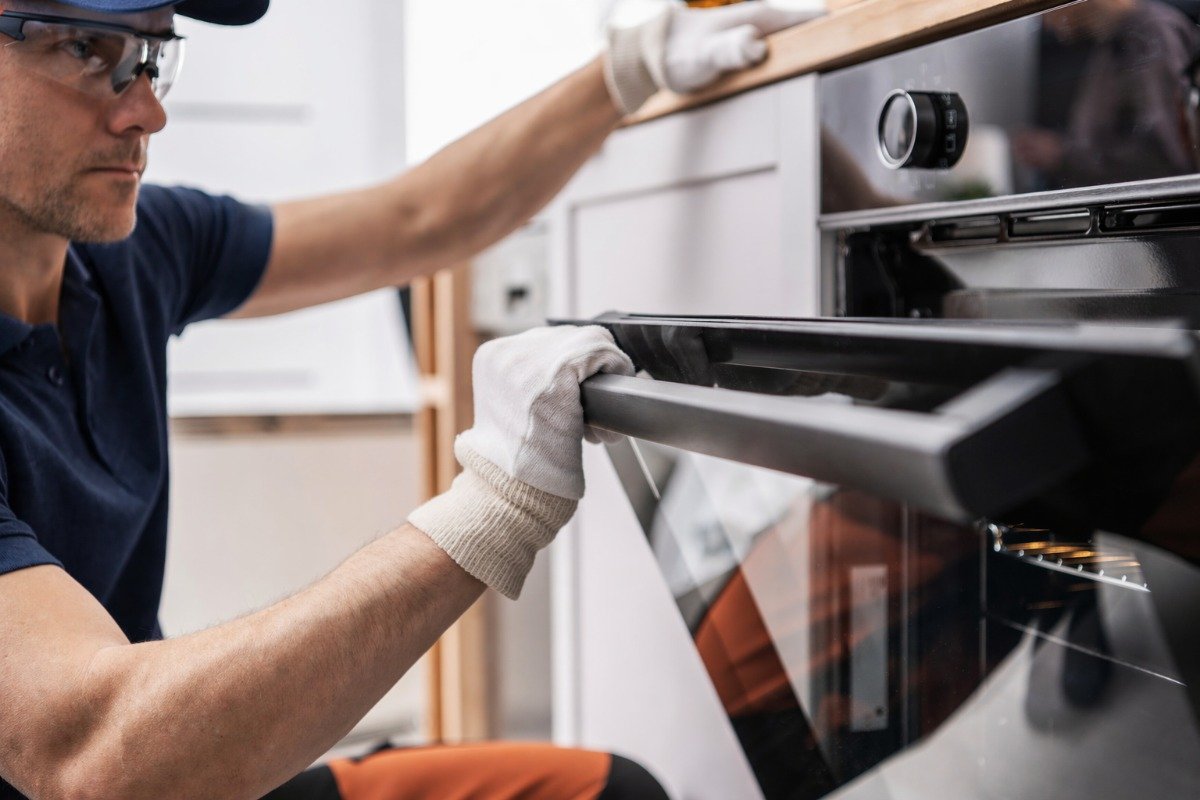
Oven & Range
- Clean spills promptly to prevent smoke and odors
- Follow the manufacturer's self-cleaning instructions, clearances, ventilation, and warnings rather than assuming one schedule suits every oven
- Check door gaskets for wear
- If temperatures seem wrong, use only calibration settings described as user-accessible in the manual; leave component diagnosis and gas adjustments to a technician
If an appliance does break down, Doty Service Network's repair technicians can diagnose and fix the issue quickly. We service all major brands and carry common parts for same-day repairs.
Sources and scope
These references support the technical guidance, not a quote, a guaranteed outcome, or every product's features. Follow the equipment manufacturer's instructions and confirm applicable local requirements.
- U.S. EPA, Section 608 Technician Certification Requirements (updated July 15, 2026)
- U.S. Consumer Product Safety Commission, Winter Storm CO and Fire Safety (2026)
- Michigan LARA, Electrical Permit Information (confirm requirements with the local enforcing authority)