Safety first
If a carbon monoxide alarm sounds or anyone has symptoms of CO poisoning, get everyone outside immediately and call 911 from fresh air. If you smell or hear leaking gas, leave without operating switches, flames, or phones inside; call the gas utility's emergency line from outside. Do not wait for a routine service appointment or re-enter until responders say it is safe.
Installation and Operation Limits
Generator fuel connections, transfer equipment, service wiring, grounding, and siting need qualified professionals and required permits. Never connect a generator to a wall outlet or backfeed home wiring. Portable and permanently installed standby generators have different siting requirements: CPSC says portable units belong outside, at least 20 feet from the house, with exhaust directed away from occupied buildings, not in garages, porches, or carports. A standby unit must meet its listed installation clearances and applicable codes.
Michigan experiences its share of severe weather, ice storms, thunderstorms, heavy snow, and high winds that can knock out power for hours or even days. A whole-home standby generator provides automatic backup power, keeping your family safe and comfortable during outages.
How Standby Generators Work
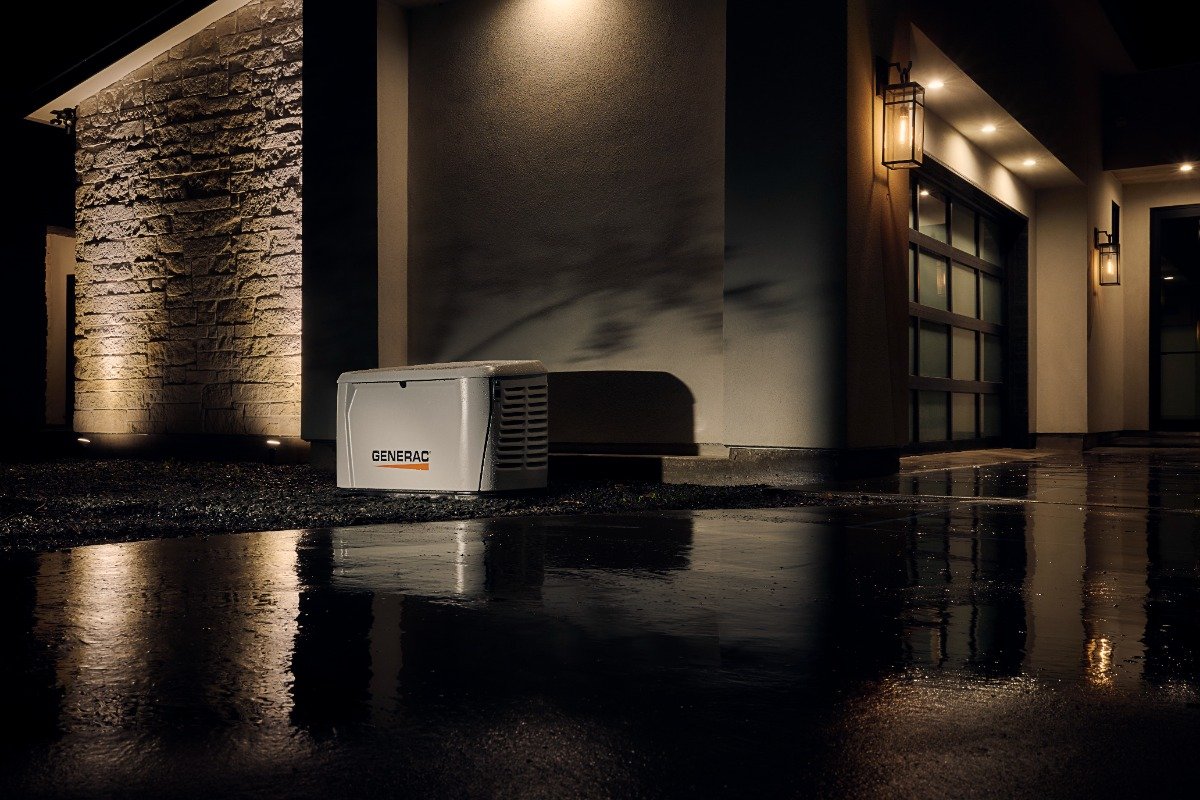
Unlike portable generators, a whole-home standby generator is permanently installed outside your home and connected directly to your electrical panel through an automatic transfer switch. With correctly installed transfer equipment, it can start automatically after an outage. Startup and transfer take time, and fuel or equipment faults can prevent operation; a standby generator is not an uninterrupted power supply.
Why Michigan Homeowners Need Backup Power
- Ice storms, wind, and other severe weather can cause extended outages; plan around local outage experience rather than a claimed statewide ranking or fixed duration
- Sump pumps need power to prevent basement flooding during spring thaw
- Furnaces require electricity to operate, even gas furnaces
- Frozen pipes become a risk if your home loses heat for an extended period
- People relying on medical equipment need a clinician- and equipment-provider-approved backup plan; a generator alone may not bridge an interruption
- Remote workers can't afford to lose connectivity during outages
Sizing Your Generator
Generator size depends on what you want to power:
- Identify essential loads such as the furnace, refrigerator, sump pump, and lighting
- Have the installer calculate running loads, motor starting demands, fuel availability, and any load-management requirements
- Do not select a generator from household size or a generic kilowatt range; high-demand loads such as EV charging may need to remain off
Fuel Options
- Natural gas: Does not require refilling an on-site tank, but utility supply and adequate pressure are not guaranteed during every emergency
- Propane (LP): An option where natural gas is unavailable; tank capacity, cold-weather vaporization, delivery access, and consumption determine runtime
- Diesel: Less common for residential, but available for larger installations.
Cost Estimate
Obtain a dated site-specific quote that states the generator rating, transfer equipment, pad, fuel work, electrical work, permits, commissioning, and exclusions. Local installation conditions and utility work can materially change cost; no generic range guarantees a complete installation.
Maintenance
Follow the manufacturer's exercise schedule, service intervals, and operating-hour requirements. Extended outages may require additional service; automatic exercise is not a substitute for maintenance. Keep clear of moving or hot parts and leave internal repairs to qualified technicians. Doty Service Network provides installation, maintenance, and repair for standby generators throughout our service area.
Contact us for a free generator consultation. We'll assess your home's needs and recommend the right system.
Sources and scope
These references support the technical guidance, not a quote, a guaranteed outcome, or every product's features. Follow the equipment manufacturer's instructions and confirm applicable local requirements.
- U.S. Consumer Product Safety Commission, Winter Storm CO and Fire Safety (2026)
- Michigan LARA, Electrical Permit Information (confirm requirements with the local enforcing authority)